
Biophilic Design in Singapore: Why Green Interiors Matter in Urban Living
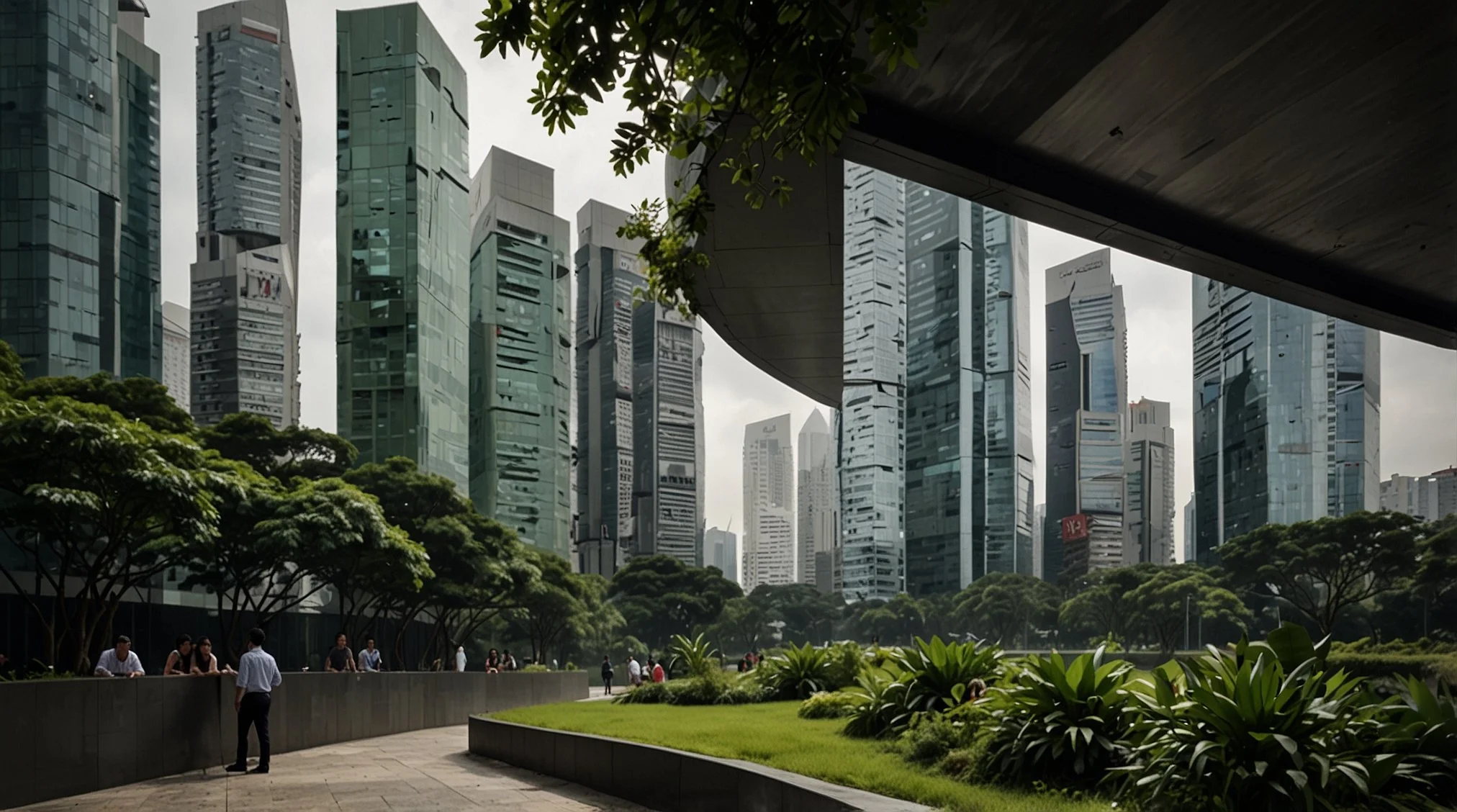
Life in Singapore is defined by contrast.
Dense cityscapes sit beside carefully curated pockets of green. Glass towers rise above parks, waterfronts, and tree-lined streets. Yet, despite this balance, many of our daily environments — offices, homes, retail spaces — remain largely disconnected from nature.
This is where biophilic design becomes not just relevant, but essential.
The Urban Reality of Living in Singapore
Singapore’s urban density is one of its greatest strengths — and also one of its biggest challenges.
Smaller living spaces, high-rise offices, and air-conditioned interiors can unintentionally create environments that feel enclosed and overstimulating. Over time, this affects how we feel, focus, and function within these spaces. However, biophilic design offers a quiet counterbalance. By reintroducing nature into the built environment, interiors become places that support well-being rather than compete with it.
So, What Is Biophilic Design?
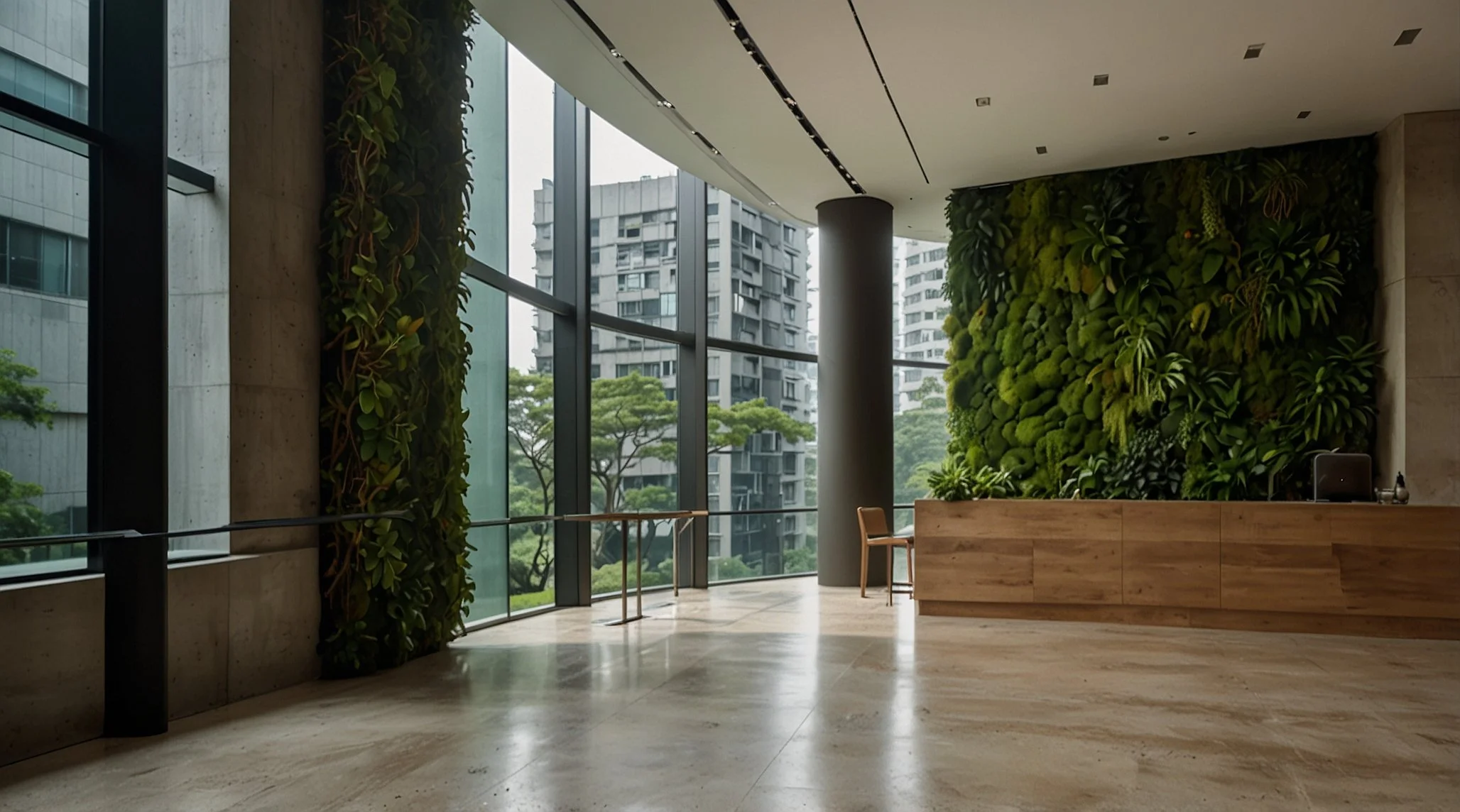
Biophilic design is an approach that reconnects people with nature through intentional interior elements.
In Singapore, this often includes:
Natural textures such as wood, stone, and linen
Organic forms and calming colour palettes
Access to daylight where possible
Green elements like plants or preserved moss
The goal is not to overwhelm a space with greenery, but to integrate nature in a way that feels considered, refined, and enduring.
Why Green Interiors Matter in High-Density Cities
Nature has a measurable impact on how we experience space.
Green interiors have been shown to:
Reduce stress and visual fatigue
Improve focus and mental clarity
Create a sense of calm in otherwise busy environments
In offices, this can translate into improved productivity and well-being. In homes, it creates restorative spaces that feel grounding after a long day. In commercial environments, it enhances brand perception and user experience. In a city that never truly slows down, these moments of calm matter.

Preserved Moss: A Practical Solution for Urban Living
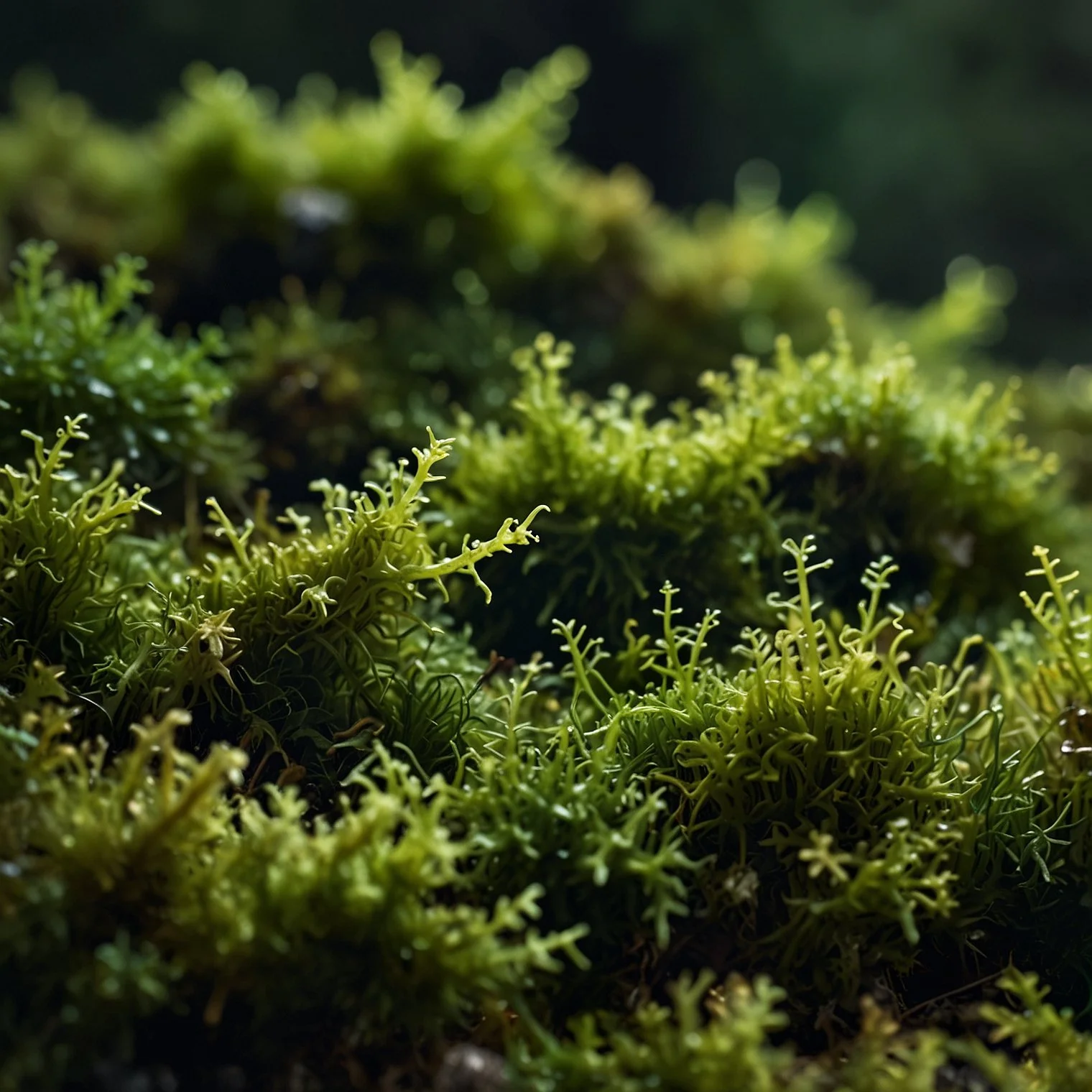
While living plants are beautiful, they are not always practical in enclosed or low-light interiors — a common reality in Singapore. This is why preserved moss walls have become an increasingly popular biophilic solution.
Preserved moss:
Requires no sunlight or watering
Remains lush and vibrant for years
Adds texture, depth, and acoustic softness
For urban interiors, it offers the emotional and visual benefits of greenery without the maintenance challenges.
Designing Green, Thoughtfully
Biophilic design is not about decoration — it’s about intention.
A well-designed green feature should:
Complement the architecture
Enhance the flow of the space
Feel integrated, not added on
When done thoughtfully, greenery becomes part of the identity of a space — subtle, calming, and timeless. As Singapore continues to evolve vertically and technologically, the desire to stay connected to nature remains deeply human. Biophilic design responds to this need quietly and effectively — reminding us that even in the most urban environments, nature still has a place indoors. Sometimes, it only takes a touch of green to change how a space feels.